Traveling During a Pandemic: How to Ensure Health and Safety on the Road
The COVID-19 pandemic has fundamentally changed how we approach travel. Gone are the days when hopping on a plane or embarking on a road trip required little more than a packed bag and a sense of adventure. Today, health and safety are essential considerations for anyone journeying near or far. The travel industry was hit hard in 2020, with international arrivals dropping by 74% worldwide, according to the UN World Tourism Organization. Yet, as restrictions have eased and people have started to move again, travelers face new rules, expectations, and risks.
Whether you’re a seasoned globetrotter or planning your first trip in years, understanding how to stay safe is more important than ever. This guide goes beyond basic hygiene tips, focusing on how to assess risks, adapt your plans, and use technology and resources to ensure your health while traveling during a pandemic.
Understanding Pandemic Travel Risks: Assess Before You Go
Before booking any trip, it’s crucial to evaluate the current pandemic situation—both at your destination and along your route. Outbreaks can surge unexpectedly, and government guidelines may change rapidly.
The Centers for Disease Control and Prevention (CDC) and the World Health Organization (WHO) both offer real-time updates on global case numbers, travel advisories, and local restrictions. For example, as of early 2024, over 110 countries still require some form of health documentation or COVID-19 testing for entry.
Key considerations before traveling include: - Local infection rates at your destination and any transit points - Healthcare capacity in the area (hospital beds, ICU availability) - Entry requirements such as negative PCR tests, vaccination certificates, or quarantine mandates - Availability of essential services (pharmacies, clinics) - Local mask mandates, curfews, or restrictions on movementIt is wise to consult official government and embassy websites for the most up-to-date information. For high-risk travelers—such as those with chronic illnesses or weakened immune systems—the CDC recommends postponing nonessential travel to areas with ongoing outbreaks.
Packing for Health: What to Bring on Pandemic-Era Trips
Packing thoughtfully is one of the most effective ways to protect yourself and others while on the road. The pandemic has added a new category of travel essentials—those aimed at reducing the risk of infection and ensuring you can manage minor health issues independently.
Must-have pandemic travel items: - At least two high-quality masks (N95, KN95, or equivalent), plus backups - Travel-sized hand sanitizer (minimum 60% alcohol) and disinfectant wipes - Digital or paper copies of vaccination certificates and recent test results - A thermometer and a basic first aid kit (including fever reducers, cold/flu medicine) - Travel insurance documents, including pandemic-specific coverage - Extra prescription medication (enough for several extra days in case of delays) - Contactless payment options (credit/debit cards, mobile payment apps)It’s also a good idea to pack snacks and bottled water, especially for long trips where food options may be limited or closed. Being prepared can help you avoid unnecessary contact with crowds or high-touch surfaces.
Choosing Safer Modes of Transportation
The way you travel can significantly affect your exposure risk. Understanding the differences in risk across various forms of transportation helps you make safer choices.
| Mode of Transport | Risk Level | Key Safety Measures |
|---|---|---|
| Private Car | Low | Travel only with household, minimize stops |
| Domestic Flights | Moderate | Mask up, choose airlines with strict cleaning protocols |
| Long-Distance Buses | Moderate-High | Sit apart, ventilate, avoid eating onboard |
| Trains | Moderate | Book window seats, avoid peak hours |
| Rideshares/Taxi | Moderate | Open windows, mask, sanitize hands after ride |
| International Flights | High | Follow airline and destination guidelines strictly |
According to a 2021 study in “Travel Medicine and Infectious Disease,” the risk of in-flight transmission is low due to advanced air filtration, but incidents have occurred—especially when passengers remove masks for long periods. Whenever possible, opt for direct flights to minimize layovers and time spent in crowded airports. For road trips, plan routes with well-known, reputable rest stops and avoid unnecessary detours.
Staying Healthy on the Road: Hygiene, Food, and Accommodation
While traveling, maintaining strict hygiene practices is paramount. The CDC attributes a significant reduction in seasonal flu cases in 2021 to widespread masking, hand hygiene, and social distancing—measures that also reduce COVID-19 and other respiratory illnesses.
Key tips for health and safety on the road: - Wash hands frequently, especially after touching surfaces in public spaces - Use contactless check-in and electronic room keys at hotels - Choose accommodations with visible cleaning protocols (look for “Safe Travels” or similar certifications) - Avoid buffets and opt for individually packaged or delivered meals - Ventilate indoor spaces by opening windows or running air purifiers - Avoid crowded elevators—wait for an empty one or take the stairsMany hotel chains, such as Marriott and Hilton, have introduced enhanced cleaning protocols and contactless services since 2020. Short-term rentals (like Airbnb) can offer more privacy, but check for updated cleaning policies and guest reviews.
When dining out, prioritize restaurants with outdoor seating or good ventilation. The US National Restaurant Association reports that over 65% of diners now prefer outdoor tables when available. Carry your own utensils if you’re concerned about shared items.
Leveraging Technology and Resources for Safe Travel
Modern technology offers travelers powerful tools to stay informed and protected. Mobile apps and digital platforms can help you monitor health advisories, access telemedicine, and manage travel logistics.
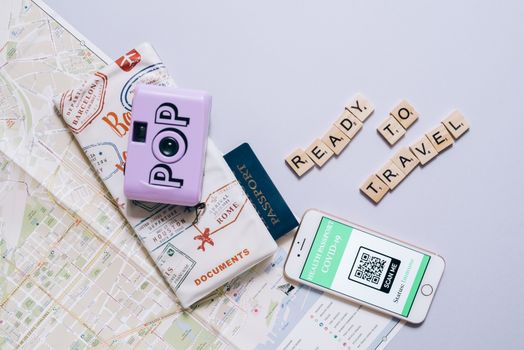
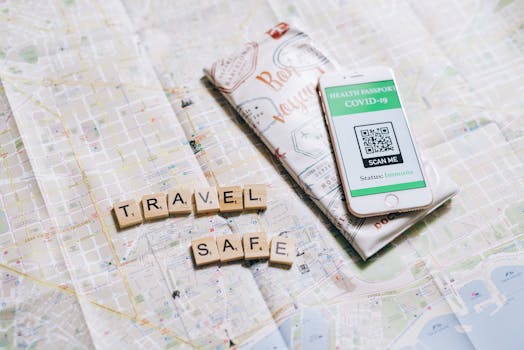
Recommended tech tools for pandemic travel: - Country-specific COVID-19 tracking apps (many governments require these) - Airline apps for contactless boarding and real-time flight updates - Telehealth services for virtual doctor consultations (e.g., Teladoc, Doctor On Demand) - Translation apps to understand local health advisories or communicate symptoms - Contactless hotel check-in apps and digital room keysApps like Google Maps now display real-time data on crowd levels in public places. The European Union’s Digital COVID Certificate, adopted by 27 countries, allows for seamless verification of vaccination and test status. Always keep digital and paper copies of essential documents in case of technology or connectivity issues.
Adapting Your Mindset: Flexibility and Mental Well-Being
Pandemic-era travel demands a flexible, patient approach. Flight cancellations, sudden lockdowns, or new testing requirements can disrupt even the best-laid plans. According to a 2022 survey by Skift Research, nearly 40% of travelers reported stress and anxiety as major barriers to travel during the pandemic.
Strategies to stay resilient: - Build extra time into your schedule for testing, health checks, and possible delays - Have backup plans for accommodation or transport in case of sudden changes - Practice self-care routines: get adequate sleep, eat nutritious food, and take breaks - Stay informed, but avoid information overload by selecting trustworthy news sources - Reach out for help if you feel overwhelmed—most destinations have mental health hotlinesRemember, travel is an opportunity for growth and discovery, even under challenging circumstances. Focus on enjoying the journey, not just the destination.
Final Thoughts: Responsible and Healthy Travel in Uncertain Times
Traveling during a pandemic is undeniably complex, but with careful preparation, the right tools, and a proactive mindset, you can minimize risks and enjoy your adventures. The key is to stay informed, adapt quickly, and respect the health and safety guidelines in place for your protection and the well-being of others.
The travel landscape may never return to “normal” as we knew it before 2020. Instead, we are entering a new era where conscious, responsible travel is the standard. By making informed choices—from the way you pack to the transport you select and the accommodations you book—you not only safeguard your own health but also contribute to global efforts to curb the spread of illness.
Wherever your journey takes you, prioritize health, stay flexible, and embrace the new challenges and opportunities of pandemic-era travel.