Travel Documents Checklist: What You Need to Have for a Hassle-Free Trip
Traveling—whether for leisure, business, or adventure—is one of life’s greatest pleasures. But even the most meticulously planned journey can be derailed by missing paperwork. In 2023, nearly 8% of international travelers experienced disruptions due to incomplete or incorrect travel documents, according to the International Air Transport Association (IATA). Having the right paperwork ready is essential for smooth border crossings, hotel check-ins, and even local transportation. This comprehensive travel documents checklist will help you avoid last-minute stress and ensure you’re prepared for your trip, wherever your destination may be.
The Core Essentials: Must-Have Travel Documents
No matter where you’re headed, there are some travel documents that every international traveler must carry. These are your primary identification and authorization papers, without which you may not even board your flight.
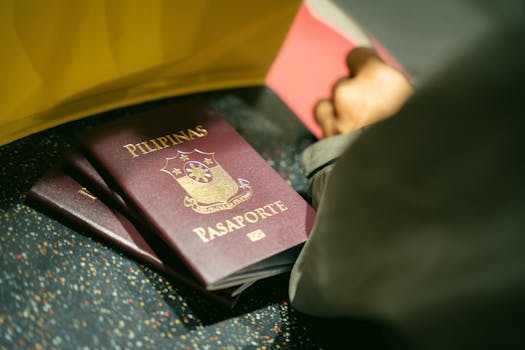
Passport: This universal travel document is required for almost all international journeys. Make sure your passport is valid for at least six months beyond your planned return date—many countries enforce this rule strictly. In 2022, over 15 million U.S. passports were issued, underlining the growing need for up-to-date travel identification.
Visa: Depending on your destination, you may need a visa to enter the country. Visa requirements vary widely; for example, U.S. citizens can travel to 187 countries without a visa or can obtain one upon arrival, but countries like China and Russia require a pre-approved visa.
Flight Tickets and Boarding Passes: Whether you prefer printed tickets or digital versions, always have access to your flight details. Many airports now accept mobile boarding passes, but some still require printed versions.
Proof of Accommodation: Immigration officers in several countries may ask for proof of where you’ll be staying, such as hotel confirmations or a letter from your host.
Return or Onward Ticket: To prevent illegal immigration, some countries require you to show proof of your return or onward travel.
Travel Insurance Policy: In 2023, over 60 countries made travel insurance mandatory for visitors. Always carry proof of your insurance coverage in case you need medical assistance or face an emergency.
Supporting Documentation: What You May Need Beyond the Basics
While the core documents are non-negotiable, there are additional items that may be necessary depending on your trip’s purpose, destination, or your personal circumstances.
Vaccination Certificates and Health Documents: After the COVID-19 pandemic, many countries require proof of vaccination or a negative test result. The World Health Organization (WHO) recommends carrying an International Certificate of Vaccination (the “Yellow Card”) for certain destinations.
Travel Itinerary: A detailed travel plan, including hotel bookings, transportation reservations, and scheduled activities, can be useful for immigration checks and personal organization.
Financial Proof: Some countries require proof of sufficient funds to support your stay. Acceptable documents include recent bank statements, credit card limits, or a letter from your sponsor.
Letters of Invitation or Business Letters: If you’re visiting for business, conferences, or staying with friends or family, a letter of invitation may expedite your entry process.
International Driving Permit (IDP): Planning to rent a car abroad? Many countries require an IDP in addition to your home driver’s license.
Parental Consent Letters: If you’re traveling with minors or without one parent, some countries require notarized consent letters to prevent child abduction.
Digital vs. Physical Copies: What to Carry and How to Store
In our increasingly digital world, many travelers wonder whether it’s safe to rely solely on electronic versions of their documents. Here’s a comparison of the two approaches:
| Document Type | Physical Copy | Digital Copy | Recommended? |
|---|---|---|---|
| Passport | Mandatory Original | Scan/Photo as Backup | Both (keep digital for emergencies) |
| Visa | Printed if Required | PDF/Photo | Both (some visas are e-visas only) |
| Flight Tickets | Optional Printout | Mobile App/Email | Digital (print if unsure) |
| Travel Insurance | Printed Policy | PDF/Photo | Both |
| Vaccination Certificate | Yellow Card/Printed | Photo/QR Code | Both (some countries accept digital only) |
Tip: Store digital copies securely in cloud storage (Google Drive, Dropbox) and on your phone. Keep physical copies in a waterproof folder. If you lose your originals, digital backups can speed up replacement processes at embassies or consulates.
Special Considerations for Different Types of Travelers
Your travel purpose and profile can dramatically affect your document checklist. Here are some scenarios with tailored advice:
Business Travelers: In addition to the basics, business travelers often need a business visa, invitation letter, proof of employment, and details of meetings or conferences. For example, India requires a formal business invitation letter for visa issuance.
Students: If you’re studying abroad, carry your acceptance letter, student visa, and proof of financial means. Many countries also require proof of accommodation and health insurance.
Backpackers and Adventure Travelers: Those moving frequently between countries should keep multiple passport photos and copies of key documents for quick visa applications or border crossings.
Family Travelers: Families with children need birth certificates, parental consent letters (if one parent is absent), and sometimes proof of relationship. For instance, South Africa has strict documentation requirements for minors.
Senior Travelers: Seniors should carry updated health records, prescriptions, and emergency contact information, especially if traveling with medical conditions.
Tips for Organizing and Protecting Your Travel Documents
It’s not enough to simply have the right documents—you must also keep them safe and accessible. Here’s how to protect your paperwork on the go:
Use a Travel Wallet: Invest in an RFID-blocking travel wallet to organize passports, cards, and important documents. This can help prevent identity theft, which affected nearly 1 million travelers in 2021 alone.
Divide and Conquer: Don’t keep all documents in one place. Store originals in your carry-on, and leave copies in your checked luggage or hotel safe.
Make Extra Copies: Carry at least two sets of photocopies—one with you and one with a companion or stored in a safe location.
Update Regularly: Before every trip, check expiry dates on passports, visas, and insurance. In 2022, over 200,000 travelers were denied boarding due to expired passports.
Know Where to Get Help: Make a list of your home country’s embassies and consulates at your destination. This can be a lifeline if your documents are lost or stolen.
Final Thoughts on Preparing Your Travel Documents Checklist
A well-prepared travel documents checklist is the foundation of smooth, stress-free journeys. With global travel rules evolving rapidly—especially after the pandemic—being organized and vigilant is more important than ever. Remember, regulations can change at short notice; always verify requirements with official government or embassy websites before you travel.
By taking the time to gather, copy, and secure all essential documents, you dramatically reduce the risk of inconvenient or costly travel disruptions. Safe travels!