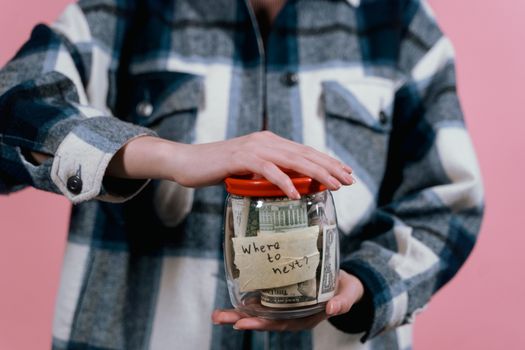
If you’re craving a break but worried about the dents it might put in your wallet, you’re not alone. More than 70% of travelers in a 2023 Skift report cited cost as the number one barrier to taking short trips. Yet, with smart planning and a bit of creativity, a memorable weekend escape is well within reach—no matter your budget. Whether you’re seeking adventure, relaxation, or a change of scenery, learning how to effectively plan a weekend trip on a budget can help you maximize fun and minimize expenses. Let’s explore practical strategies, lesser-known tricks, and clever comparisons to help you hit the road without breaking the bank.
Setting Your Weekend Trip Budget: How Much Do You Really Need?
The foundation of an affordable getaway is a well-defined budget. Start by deciding your spending cap. According to a 2022 Expedia survey, the average U.S. weekend getaway costs between $350 and $600 per person, including transportation, lodging, food, and activities. But you can easily trim that number with some conscious choices.
First, break down your budget into categories: - Transportation (car, bus, train, or flights) - Accommodation (hotel, hostel, vacation rental, camping, or staying with friends) - Food and drinks - Activities and attractions - Emergency or miscellaneous fundsSet a limit for each category. For example, you might allocate $100 for transport, $120 for lodging, $80 for meals, $50 for activities, and $30 for extras. By dividing your budget, you avoid last-minute surprises and can prioritize what matters most to you.
Tools like Google Sheets or budgeting apps such as Trail Wallet can help you track projected and actual expenses in real time. This simple habit is proven to reduce overspending by up to 18% (source: National Endowment for Financial Education, 2022).
Choosing Your Destination: Go Local, Go Affordable
One of the biggest mistakes people make is assuming a great trip requires going far. In reality, exploring destinations within 100-200 miles from home can slash transportation costs by up to 60%. According to AAA, the average American spends $100 less per trip when traveling within their own state versus crossing state lines.
Here are some tips for picking a budget-friendly destination: - Look for hidden gems or small towns within driving or train distance. - Search for state parks, lakes, or scenic byways that offer free or low-cost entry. - Consider off-season or shoulder season destinations where prices drop dramatically—some mountain resorts, for example, cost 40% less in spring or fall.The key is to research options that avoid expensive airfare or high-season hotel rates. Use resources like Roadtrippers.com or Google Maps to discover interesting spots close by. Challenge yourself to find a place you’ve never visited within two hours of home—you might be surprised by what you uncover.
Transportation Hacks: Getting There Without Draining Your Wallet
Transportation often eats up a significant chunk of a weekend trip budget. Here’s how to keep it under control:
- $1: Share a ride with friends or use platforms like BlaBlaCar to split fuel costs. For a 200-mile round trip, carpooling can reduce costs from $50 to $15 per person. - $1: Trains and intercity buses (like Megabus or FlixBus) frequently offer weekend specials. A 2023 study by Busbud found that travelers save an average of 42% by choosing buses over driving alone. - $1: For those seeking extra adventure and fitness, cycling to a nearby town saves money and provides a unique experience. Alternatively, use rideshare deals for first-time users.Here’s a quick comparison of typical transport costs for a 150-mile round trip:
| Mode of Transport | Average Cost (USD) | Pros | Cons |
|---|---|---|---|
| Driving Alone | $45 | Flexibility, privacy | Fuel cost, parking fees |
| Carpool (4 people) | $12 | Cost sharing, social | Coordination required |
| Bus | $18 | Budget-friendly, eco-friendly | Less flexible schedule |
| Train | $28 | Comfort, no traffic | Limited routes, timing |
By comparing these options, you can see that carpooling or taking the bus often provides the best value for short weekend getaways.
Affordable Accommodation: Sleep Well and Save Big
Lodging can make or break your budget, but there are more options than just hotels. According to Statista, 41% of budget travelers in 2023 chose non-traditional accommodations to cut costs.
Consider these alternatives: - $1: National or state parks often offer campsites for $10–$30 per night. Some even provide free first-come, first-served sites. - $1: Modern hostels provide private rooms and amenities at a fraction of hotel prices. Hostelworld lists over 17,000 hostels worldwide, with average rates of $25–$60 per night. - $1: Platforms like Airbnb or Vrbo can be cheaper than hotels, especially for groups. Look for “entire place” listings with kitchen access to save on meals. - $1: Trusted platforms connect travelers with hosts for free stays in exchange for pet or house care, or simply cultural exchange. - $1: Apps like HotelTonight offer steep discounts, especially after 3pm the day of check-in.Don’t forget to check for loyalty points, local deals, or package bundles—sometimes booking transport and accommodation together can save up to 20%.
Low-Cost Meals and Activities: Enjoy More, Spend Less
Food and entertainment don’t have to drain your wallet. Here’s how to enjoy the best of your destination without overspending:
- $1: Shop at local markets or grocery stores and prepare simple meals or picnics. According to a 2022 TripAdvisor report, travelers who self-cater save an average of $40 per weekend trip. - $1: Skip touristy spots and ask locals for affordable recommendations. Food trucks, diners, and family-run cafes often offer authentic flavors at half the price. - $1: Search for free walking tours, museum days, community events, or outdoor concerts. Many cities publish event calendars online. Parks, hiking trails, and beaches are usually free. - $1: Some destinations offer city cards or passes bundling attractions for a single low price—saving up to 50% compared to individual tickets. - $1: Plan your own photo walks, self-guided tours, or group games. Download free audio guides or use apps like izi.TRAVEL for cultural insights.Remember, the most memorable moments often come from simple pleasures—watching a sunset, exploring a new neighborhood, or sharing a laugh around a campfire.
Smart Packing and Preparation: Avoid Hidden Costs
Even the most carefully planned trip can go over budget due to last-minute purchases or forgotten items. Smart packing and preparation can help you avoid these “trip traps.”
- $1: Avoid checked baggage fees (which average $35 per bag on U.S. airlines as of 2023) by using a carry-on or backpack. - $1: Pack snacks, reusable water bottles, chargers, and weather-appropriate clothing to avoid overpriced convenience store buys. - $1: Book major attractions or transportation early—advance booking discounts can save 15–30%. Download offline maps and itineraries to avoid data charges. - $1: Always have basic first aid, any prescription meds, and a small amount of cash for places that don’t accept cards. - $1: For trips involving adventure sports or international borders, consider short-term insurance. Plans can cost as little as $8 for a weekend but save hundreds in case of mishaps.With a bit of forethought, you can sidestep common pitfalls and keep your trip running smoothly.
Final Thoughts on Planning a Budget-Friendly Weekend Getaway
A fantastic weekend trip doesn’t have to be expensive or complicated. By setting a clear budget, picking destinations close to home, choosing savvy transport and accommodation options, and seeking out local experiences, you can create lasting memories without straining your finances. According to Booking.com, 67% of travelers found that budget trips offered just as much enjoyment as pricier getaways—proving it’s not about how much you spend, but how well you plan.
The next time wanderlust strikes, use these strategies to craft your own affordable adventure. You’ll return home refreshed, inspired, and maybe with a little extra cash in your pocket for the next trip.