How to Plan a Road Trip Across Europe: Advanced Strategies for an Epic Journey
A road trip across Europe is an experience like no other, blending the thrill of the open road with the continent’s stunning variety. From the snow-capped Alps to the sun-soaked beaches of the Mediterranean and the historic heartlands of Eastern Europe, every mile brings something new. While the basics—mapping your route, prepping your car, booking accommodation—are crucial, truly unforgettable European road trips require a deeper level of planning. This guide will help you take your trip to the next level by focusing on advanced strategies: crafting themed routes, navigating borders and languages, leveraging technology for smarter travel, and making the most of Europe’s unique festivals and events.
Designing a Themed European Road Trip Itinerary
Instead of simply connecting the dots between major cities, consider building your journey around a theme. Themed itineraries can transform a regular road trip into an immersive experience tailored to your interests.
For history buffs, a “Castles and Fortresses” trail could wind from Scotland’s mysterious highlands through France’s Loire Valley to the fairy-tale castles of Bavaria and the medieval citadels of Romania. Food lovers might design a “Culinary Capitals” route, sampling tapas in San Sebastián, cheese in France’s Normandy, pasta in Bologna, and chocolate in Belgium. Nature enthusiasts could trace the “Great European Natural Wonders” road, from Norway’s fjords to Slovenia’s Lake Bled, the Swiss Alps, and Croatia’s Plitvice Lakes.
Building a themed trip:
- Research European heritage trails, such as Germany’s Romantic Road or the French Route des Vins d’Alsace. - Use travel forums like Lonely Planet’s Thorn Tree or Reddit’s r/solotravel for insider route suggestions. - Estimate driving distances: Europe’s diversity is packed into a small area—driving from Paris to Rome is just over 1,400 km (870 miles), but can be stretched over a week of scenic stops.Not only does a themed road trip add structure, but it also ensures you experience the continent’s cultural and geographical richness in a new way.
Mastering Cross-Border Travel: Languages, Documents, and Currency
One of the biggest challenges—and joys—of a European road trip is crossing multiple national borders. Each crossing can mean a new language, currency, or set of road rules. Preparing for these transitions ahead of time will help you avoid delays, fines, or misunderstandings.
Key considerations:
- Schengen Zone: Most of Western and Central Europe is covered by the Schengen Agreement, allowing for passport-free travel. However, countries like Croatia, Cyprus, and Ireland have their own rules. - Documents: Besides your passport and driver’s license, some countries require an International Driving Permit (IDP). For example, Italy and Spain accept EU/UK licenses, but Poland and Hungary may ask for an IDP if your license isn’t in Roman script. - Vignettes and Tolls: Switzerland, Austria, and Slovakia require a vignette (pre-paid highway sticker) for motorway use. Fines for not displaying one can reach €120-€200. - Currencies: 20 European countries use the Euro, but popular destinations like Switzerland (Swiss franc), the Czech Republic (Czech koruna), and Hungary (forint) do not. Always carry a small amount of local cash, especially for tolls or rural stops.Language tips:
- Download translation apps like Google Translate, and pre-download languages for offline use. - Learn basic phrases for emergencies and navigation (“gas station,” “hotel,” “toll,” “border,” etc.). - In border regions, signage and language can change suddenly—prepare for multilingual road signs.Using Technology to Enhance Your Road Trip Experience
Technology has revolutionized the European road trip, from real-time traffic updates to discovering hidden gems. Here are some advanced ways to use tech for a smoother, more enriching journey:
Navigation:
- Waze and Google Maps offer real-time traffic and route suggestions, but also check out Sygic or HERE WeGo for offline maps. - For scenic drives, the Roadtrippers app highlights curated routes and points of interest along the way.Finding Fuel and Charging Stations:
- PetrolPrices and GasBuddy help you locate the cheapest fuel in the area. - For electric vehicles (EVs), Europe boasts over 375,000 public charging points (as of 2024). Use PlugShare or Chargemap for EV route planning.Accommodations and Spontaneous Stops:
- Park4Night helps campers and van-lifers find legal overnight parking or unique spots. - HotelTonight and Booking.com often have last-minute deals for spontaneous detours or route changes.Safety and Emergencies:
- Download the European emergency number (112) and local embassy contacts. - Use offline first aid apps, such as the Red Cross First Aid app, for medical emergencies.Timing Your Trip: Festivals, Seasonal Events, and Local Experiences
Europe’s calendar is packed with festivals, national holidays, and seasonal events that can transform your road trip from memorable to magical. However, these events can also bring crowds, higher prices, and road closures—so strategic planning is key.
Famous festivals and events:
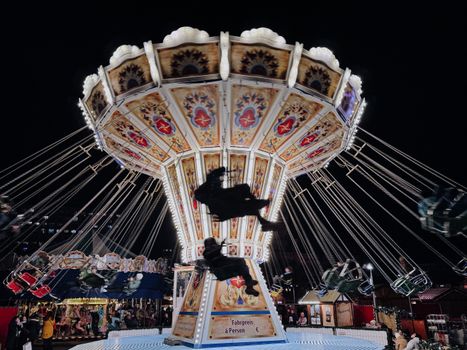
- La Tomatina (Spain, last Wednesday of August): The world’s largest tomato fight in Buñol, Valencia. - Oktoberfest (Germany, late September to early October): Munich’s legendary celebration of beer and Bavarian culture. - Edinburgh Festival Fringe (Scotland, August): The world’s largest arts festival. - Christmas Markets (December): From Nuremberg (Germany) to Vienna (Austria) and Strasbourg (France), Europe’s festive markets attract millions.Travel tips:
- Book accommodations near popular events at least 6-12 months in advance. - Consider traveling just before or after major events for fewer crowds and lower prices. - Always check local calendars for public holidays that might affect business hours or cause traffic.Beyond the Main Roads: Exploring Europe’s Scenic Byways
While highways make for efficient travel, Europe’s true charm often lies along its secondary roads and scenic byways. Venturing off the beaten path can reveal lesser-known villages, breathtaking lookouts, and authentic local experiences.
Notable scenic drives:
- Norway’s Atlantic Road: An 8.3 km route that skips across islands and bridges, often called “the world’s most beautiful drive.” - France’s Route Napoléon: Tracing Napoleon’s march from the Mediterranean to Grenoble, winding through the Alps. - Italy’s Amalfi Coast Drive: A dramatic, cliff-hugging road with stunning Mediterranean views. - Romania’s Transfăgărășan Highway: Nicknamed “the best driving road in the world” by Top Gear, it twists through the Carpathian Mountains.Tips for scenic detours:
- Expect slower travel times—many byways have lower speed limits, frequent curves, or one-lane sections. - Always check local traffic and weather; some mountain passes (like the Stelvio Pass in Italy) are only open from June to October due to snow. - Bring a physical map as a backup—remote areas may lack data coverage.| Byway | Country | Length (km) | Best Season | Notable Features |
|---|---|---|---|---|
| Atlantic Road | Norway | 8.3 | May-September | Bridges over ocean, fishing villages |
| Route Napoléon | France | 325 | April-October | Alpine scenery, historical sites |
| Amalfi Coast Drive | Italy | 50 | March-November | Cliff-top roads, seaside towns |
| Transfăgărășan Highway | Romania | 90 | July-September | Mountain passes, lakes, castles |
Making the Most of Local Culture and Hidden Gems
A European road trip isn’t just about ticking off famous landmarks—it’s also the perfect opportunity to discover hidden gems and embrace local culture. Here’s how to make your journey truly unique:
- Explore regional specialties: Try local cheeses in the French Alps, wild boar stew in Hungary, or fresh seafood on Portugal’s Algarve Coast. - Visit lesser-known UNESCO World Heritage Sites: There are over 400 UNESCO sites in Europe—many are off the tourist trail, such as the painted monasteries of Bucovina (Romania), the old town of Tallinn (Estonia), or the Wachau Valley (Austria). - Embrace serendipity: Leave room in your schedule for spontaneous detours—many travelers cite unexpected stops as the highlight of their trip. - Connect with locals: Use platforms like EatWith, Couchsurfing, or Meetup to join local dinners or cultural events.Final Tips for an Unforgettable European Road Adventure
Planning an advanced road trip across Europe is both a challenge and a joy. By thinking beyond the basics—designing themed journeys, preparing for multilingual borders, harnessing the right technology, and timing your trip with Europe’s vibrant events—you can craft a truly personal adventure. Remember, Europe’s diversity shines brightest on the roads less traveled, so don’t be afraid to veer off the highway and see where the journey takes you.