Embarking on a culinary tour is an adventure that tantalizes your senses, immerses you in local culture, and leaves you with unforgettable memories—and flavors. Whether you’re a seasoned foodie or a curious traveler, planning a culinary journey allows you to dive deep into regional tastes, cooking traditions, and the social fabric that binds communities together through food. In this guide, you’ll discover how to thoughtfully plan a culinary tour that goes beyond eating out, bringing you a true taste of the world’s kitchens.
The Allure of Culinary Travel: More Than Just Eating
Culinary tourism is booming. According to the World Food Travel Association, 95% of travelers seek some kind of unique food experience while on vacation, and nearly 80% say food and drink experiences help them choose their travel destination. But a culinary tour is more than simply dining at top-rated restaurants. It’s about connecting with local traditions, meeting passionate producers, and understanding the stories behind the dishes.
Experiencing local cuisine can mean visiting bustling markets, participating in hands-on cooking classes, sampling street food, or even spending a day with a family learning generations-old recipes. A well-planned culinary tour weaves these elements together, offering a lens into local life that few other travel experiences can match.
Researching Regional Flavors and Food Traditions
The first step in planning your culinary adventure is understanding the culinary landscape of your chosen destination. Every region has its own iconic dishes, unique ingredients, and time-honored cooking techniques. For instance, Italy isn’t just pasta and pizza—each region boasts specialties, from Ligurian pesto to Sicilian cannoli. In Thailand, the contrast between spicy Isaan cuisine and the creamy curries of the south is striking.
To dig deeper:
- Read regional cookbooks and food memoirs to get a sense of history and context. Books like “Curry: A Tale of Cooks and Conquerors” or “The Food of Sichuan” provide both recipes and rich cultural background. - Explore food blogs and social media accounts run by locals. Instagram and YouTube are treasure troves of authentic food recommendations and stories. - Consult tourism boards and local experts for up-to-date food festivals, markets, and seasonal specialties.Creating a wish list of must-try dishes and drinks—along with when and where to find them—will help guide your daily itinerary.
Choosing Guided Tours vs. Independent Exploration
One of the biggest decisions for culinary travelers is whether to join organized food tours or to chart their own path. Both options have distinct advantages, and the best choice often depends on your travel style, budget, and language skills.
| Aspect | Guided Culinary Tours | Independent Exploration |
|---|---|---|
| Expertise | Local guides offer in-depth knowledge, stories, and access to hidden gems. | Requires self-research; may miss out on insider tips. |
| Language Barrier | Guides often speak your language and facilitate communication. | May pose challenges in non-English-speaking regions. |
| Flexibility | Set itinerary, less flexible with timing or spontaneous detours. | Full control over schedule and pace. |
| Cost | Generally higher, includes guide fees and tastings. | Potentially cheaper; pay as you go. |
| Social Experience | Meet fellow food lovers; group dynamic. | More solitary or limited to your travel group. |
Combining both approaches can be ideal: book a guided tour to get oriented, then use your newfound knowledge to explore on your own. In 2023, the global food tourism market was valued at $1.1 trillion, with an average guided food tour costing between $60-$150 per person—a worthwhile investment for many travelers.
Beyond Restaurants: Immersive Food Experiences
To truly savor local cuisine, look beyond the restaurant scene. Here are several immersive experiences that can transform your culinary tour:
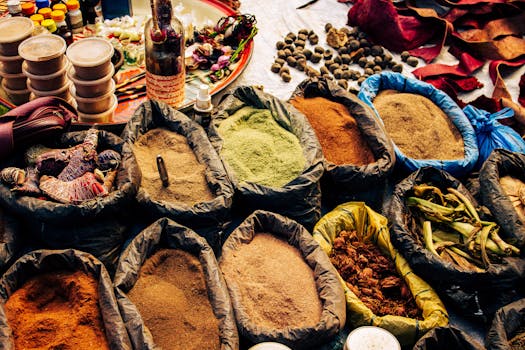
- $1 Hands-on lessons with local chefs or home cooks let you master traditional dishes and understand ingredient selection, preparation, and cultural significance. For example, in Morocco, tagine-making classes often include a market visit to source spices and produce. - $1 Tour a vineyard in France’s Bordeaux region or a cheese farm in Switzerland. According to the Food and Agriculture Organization, agritourism is growing by 12% annually, with over 3 million travelers visiting Italian agriturismi (farm stays) each year. - $1 Street food is the heartbeat of many culinary cultures, from Bangkok’s night markets to Mexico City’s taco stands. Sampling street fare offers affordable, authentic tastes and a window into daily life. - $1 Local markets are sensory adventures. Join a guided walk or venture solo to discover seasonal produce, regional snacks, and culinary tools unique to the area. - $1 Some platforms, like Eatwith and Traveling Spoon, connect travelers with local hosts for family-style meals, offering a rare glimpse into home cooking and hospitality traditions.These experiences foster deeper connections and memories—67% of culinary travelers say they remember a meal with a local family more vividly than any restaurant meal.
Planning Logistics: When, Where, and How
Timing is crucial for a successful culinary tour. Research local food festivals, harvest seasons, and holiday celebrations that may offer unique dishes or limited-time experiences. For example, Japan’s cherry blossom season features special sakura-themed sweets, while Spain’s La Tomatina includes street food galore.
Consider these logistical tips:
- $1 Michelin-starred restaurants, top-rated food tours, and cooking classes can fill up months ahead. - $1 Schedule walking tours, hikes, or cycling excursions between meals to aid digestion and explore local scenery. - $1 Choose accommodations in areas renowned for their food scene, such as Palermo’s Ballarò Market district or Hanoi’s Old Quarter. - $1 Set aside funds for splurges, but don’t overlook affordable options—some of the world’s best bites are street eats costing less than $5.Travel insurance with coverage for unexpected closures or cancellations is also wise, especially for trips centered around specific events or reservations.
Ethical and Sustainable Culinary Tourism
With great culinary adventure comes responsibility. Supporting local food culture means making choices that are ethical and sustainable:
- $1 Choose family-run eateries, markets, and farms over large chains. - $1 Learn dining etiquette, from chopstick use in Japan to right-hand eating in India. - $1 Reduces your carbon footprint and ensures fresher, tastier meals. - $1 In destinations facing overtourism, be mindful of crowding, waste, and cultural dilution. Opt for off-the-beaten-path villages or emerging culinary hotspots.According to a 2022 Booking.com survey, 71% of travelers want to make more sustainable choices, and food is an impactful place to start.
Preserving Culinary Memories: Beyond the Table
A culinary tour doesn’t end when you leave the table. Capture your experience in meaningful ways:
- $1 Document dishes, recipes, and stories. These become invaluable souvenirs and conversation starters. - $1 Bring back spices, sauces, or cooking tools (while respecting customs regulations) to recreate dishes at home. - $1 Host a themed dinner party for friends and family, showcasing what you’ve learned and tasted. - $1 Enroll in online cooking classes, subscribe to international food magazines, or join global food communities.These actions not only extend the joy of your journey but also deepen your appreciation for the culture you explored.
Final Tips for Planning Your Culinary Tour
Planning a culinary tour is an invitation to see the world through your taste buds. Start with thorough research into local food traditions, then balance guided tours with independent adventures for a richer, more flexible experience. Seek out immersive activities like cooking classes and market visits, and be mindful of sustainable, ethical travel practices. With thoughtful preparation, your culinary journey will be an unforgettable, flavor-filled exploration—one that stays with you long after the last bite.