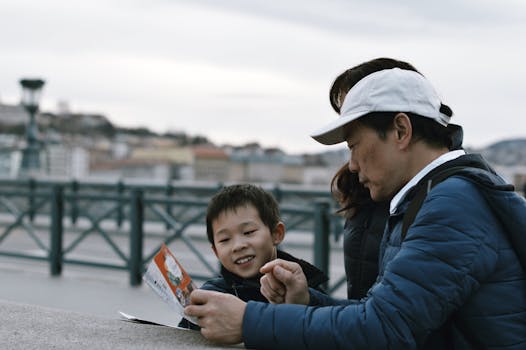
Planning Memorable Family Vacations: Strategies for Traveling with Children
Family vacations are more than just a break from routine—they are an opportunity to create lifelong memories, strengthen bonds, and introduce children to new experiences and cultures. Yet, traveling with children comes with unique challenges that require thoughtful planning and flexibility. From selecting age-appropriate destinations to managing logistics and ensuring comfort, every decision impacts the overall experience for both kids and adults. In this guide, we’ll explore expert strategies to help you plan a successful family vacation, highlighting practical tips, useful comparisons, and data-backed insights that go beyond the basics.
Choosing the Perfect Family-Friendly Destination
Selecting the right destination is the cornerstone of a successful family trip. While adults may be drawn to historical sites or culinary hot spots, children often have different needs and interests. According to a 2023 Family Travel Association survey, 68% of parents prioritize destinations with kid-friendly activities and safety measures.
When evaluating potential destinations, consider the following:
- Accessibility: Direct flights and short transfers reduce travel fatigue. For example, 74% of families surveyed prefer destinations with less than 6 hours of travel time. - Climate: Mild weather ensures outdoor activities are comfortable for children. - Activities: Look for destinations offering a mix of educational, adventure, and relaxation options suitable for various ages. - Healthcare: Proximity to medical facilities is essential, especially for families with young children or those with special needs.Popular family destinations such as Orlando, Paris, and Tokyo often top the list due to their renowned theme parks, interactive museums, and family-centric infrastructure. However, emerging destinations like Costa Rica and Iceland are gaining popularity for their blend of adventure and safety.
Crafting an Itinerary that Balances Fun and Flexibility
The secret to a smooth family vacation lies in the itinerary. Overpacked schedules can lead to exhaustion and meltdowns, while too little structure may result in boredom. Striking the right balance is crucial.
Key strategies include:
- Limit Transitions: Plan to stay at each location for at least two nights to minimize packing and unpacking. - Incorporate Rest Periods: Schedule downtime every afternoon or after major excursions. According to a 2022 US Travel Association report, families who scheduled daily rest periods reported 32% fewer incidents of travel fatigue. - Age-Appropriate Activities: Mix activities for all age groups, ensuring younger children have playtime while older kids and adults can explore cultural or adventure experiences. - Involve Kids in Planning: Allow children to choose one or two activities. This increases their engagement and reduces resistance.For example, a family trip to Italy might include a mix of hands-on cooking classes, short guided tours, and unstructured time in piazzas or parks. This approach avoids "vacation burnout" and keeps everyone enthusiastic.
Accommodation Options: Hotels, Resorts, or Rentals?
Choosing where to stay is a significant decision that affects comfort, convenience, and cost. The right accommodation provides a safe, relaxing base where families can recharge.
Below is a comparison of common accommodation types for family travelers:
| Accommodation Type | Pros | Cons | Average Nightly Cost (USD, 2024) |
|---|---|---|---|
| Family-Friendly Hotels | Kids’ clubs, pools, on-site dining, concierge | Less privacy, limited kitchen facilities | $180-$350 |
| All-Inclusive Resorts | Meals/activities included, childcare, security | Less immersion in local culture, higher upfront cost | $250-$500 |
| Vacation Rentals | Space, kitchen, flexibility, local experience | No daily cleaning, may lack amenities | $120-$300 |
| Family Suites/Serviced Apartments | Separate bedrooms, kitchen, services | Limited availability in some locations | $200-$400 |
Vacation rentals have become increasingly popular, with 47% of families in a 2023 Expedia survey citing them as their preferred choice due to space and home-like amenities. However, hotels and resorts offer added convenience, especially for shorter stays or when children’s clubs are a priority.
Packing Smart: Essentials for Traveling with Kids
Packing for a family trip is a balancing act between preparedness and overpacking. According to a 2022 study by Booking.com, parents list forgotten items as a top frustration, with 64% admitting to packing more than necessary.
Here’s how to streamline your packing process:
- Create a Family Packing List: Organize items by child and by category (clothing, toiletries, entertainment, snacks, medication). - Prioritize Versatile Clothing: Choose layers and items that mix and match easily. - Entertainment on the Go: Download games, audiobooks, or movies onto devices for travel time. Don’t forget chargers and headphones. - Essential Documents and Health Items: Bring identification, travel insurance documents, and a basic first-aid kit. Include any essential medications or allergy remedies. - Comfort Items: Small toys, favorite blankets, or stuffed animals help children feel secure.A helpful tip is to pack a day bag with snacks, water, wipes, and one change of clothes per child for easy access during long travel segments.
Managing Meals and Nutrition on the Road
Mealtimes can be one of the trickiest aspects of traveling with children, especially for picky eaters or those with allergies. According to the American Academy of Pediatrics, nearly 40% of travel-related illnesses in children are related to food or water.
To keep everyone healthy and happy:
- Research Dining Options: Identify family-friendly restaurants and markets in advance. Many travel apps offer menus and reviews filtered by dietary needs. - Pack Snacks: Healthy, non-perishable snacks like granola bars, fruit pouches, and crackers are essential for long journeys or delays. - Inquire About Kitchens: Vacation rentals and some hotels offer kitchenettes, making it easier to prepare familiar foods. - Communicate Dietary Restrictions: Learn key phrases in the local language to explain allergies or preferences. - Encourage Local Tasting: Involve children in choosing and trying local dishes. This can be a fun and educational part of the trip.Some families opt for all-inclusive resorts for the convenience of buffet-style dining and easy access to kid-friendly options. Others prefer local markets and picnics for a more authentic experience.
Navigating Transportation and Safety with Children
Safety and smooth transportation are top concerns for parents. According to Safe Kids Worldwide, 53% of parents worry most about transportation logistics when traveling internationally with children.
Key considerations include:
- Car Seats and Boosters: Check requirements for your destination. Many car rental agencies offer seats, but quality and availability vary—consider bringing your own for younger children. - Public Transport: Research whether strollers are allowed and if stations are accessible. - Identification: Equip children with ID bracelets or cards listing contact information and accommodation details. - Travel Insurance: Comprehensive policies covering medical emergencies, trip interruptions, and lost belongings provide peace of mind. - Emergency Plans: Teach older children how to identify authorities and what to do if separated from the group.Using ride-sharing services or private transfers can reduce stress, especially in unfamiliar cities. For long-haul flights, booking seats together and choosing night flights, when possible, can improve the travel experience.
Final Thoughts on Planning Family Vacations with Children
Traveling with children presents both challenges and remarkable rewards. Careful planning, flexibility, and a sense of adventure are essential to creating a positive experience for the whole family. By choosing destinations that cater to all ages, designing realistic itineraries, packing wisely, and prioritizing health and safety, families can make the most of their travels.
Data shows that 87% of parents believe family vacations strengthen relationships, and 70% say their children recall specific travel memories years later. With the right strategies, your family vacation can be more than just a trip—it can be a treasured chapter in your family’s story.