Navigating New Cities: A Comprehensive Guide to Using Public Transportation Abroad
Traveling to a foreign city can be exhilarating, but figuring out how to get around efficiently is often one of the biggest challenges. Public transportation is not only cost-effective but also provides a more immersive experience of local life. Whether you’re in bustling Tokyo, historic Rome, or modern Singapore, understanding how to use buses, subways, and trams can save you time, money, and stress. This guide will walk you through everything you need to know to confidently use public transportation in cities around the world, highlighting preparation, ticketing, etiquette, safety, and smart navigation.
Understanding Public Transportation Systems Worldwide
Public transportation systems can vary dramatically between cities and countries. Some cities boast expansive metro networks, while others rely on buses or trams. For instance, Tokyo’s railway system is the world’s busiest, moving an estimated 8.7 million passengers daily, whereas Venice’s iconic vaporettos (water buses) serve over 100,000 daily commuters and tourists via its canals.Before you travel, it’s essential to research the main modes of public transit available in your destination city. Here are a few common types:
- Metro/Subway: Underground trains like the London Underground or Paris Métro, known for speed and frequent service. - Bus Networks: Flexible routes that cover areas not served by trains, such as the extensive bus system in Istanbul with over 800 lines. - Trams/Light Rail: Above-ground, rail-based vehicles found in cities like Amsterdam and Melbourne. - Ferries/Water Buses: Used in cities with significant waterways, such as Hong Kong and Sydney.The efficiency, cleanliness, and coverage of these systems can differ widely. For example, Singapore’s MRT covers 230 km with a punctuality rate above 99.7%, while buses in smaller cities may be less frequent and harder to navigate. Understanding the local network helps you plan your journeys and avoid confusion.
Preparing for Your Public Transit Adventure
Preparation is key to successfully navigating foreign transportation systems. Start by downloading official transit apps or maps before you arrive. Many cities offer free, real-time route planning apps—like Citymapper (available in 70+ cities) or Moovit (covering over 3,500 cities)—which are invaluable for planning routes and checking schedules.Language barriers can pose another challenge, especially in cities where signage isn’t in English. Downloading Google Translate or similar language apps allows you to quickly interpret station names and instructions. Some cities, like Seoul and Berlin, have multilingual signage and announcements, but in others, like Moscow, stations may only be marked in Cyrillic.
Another key preparation step is understanding ticketing systems. Some cities use contactless payment cards (like London’s Oyster or Tokyo’s Suica), while others rely on single-use paper tickets, tokens, or even mobile QR codes. Research which ticketing options are available and consider buying a day or week pass if you plan to travel frequently, as these often offer savings of up to 30% compared to single fares.
Buying Tickets and Understanding Fare Systems
Ticketing systems can be confusing for first-time visitors. Fares may be determined by zones (e.g., London), distance traveled (e.g., Beijing), or flat-rate pricing (e.g., New York City Subway). Using the right type of ticket can save you money and prevent fines.Here’s a comparison of typical ticket systems in major cities:
| City | Ticket Type | Fare Calculation | Tourist Passes |
|---|---|---|---|
| London | Oyster card, contactless | Zone-based | Visitor Oyster, Travelcard |
| Paris | Paper ticket, Navigo card | Zone-based | Paris Visite pass |
| Tokyo | Suica/Pasmo card, tickets | Distance-based | Tokyo Subway Ticket |
| New York | MetroCard, OMNY | Flat fare | Unlimited Ride MetroCard |
| Berlin | Paper ticket, BVG card | Zone-based | Berlin WelcomeCard |
Purchasing passes designed for tourists, like the Paris Visite or Berlin WelcomeCard, can provide unlimited travel within set zones and often include discounts for museums and attractions. Always validate your ticket before boarding—failure to do so can result in fines up to €60 in some European cities.
Deciphering Maps, Schedules, and Local Transit Culture
Once you have your ticket, the next hurdle is interpreting transit maps and schedules. Transit maps may look daunting, especially in cities with multiple lines and transfer points. Look for color-coded lines, clear station names, and symbols indicating connections to airports or regional trains.Schedules can also differ: some systems run 24/7 (like New York’s subway), while others shut down around midnight. In Tokyo, the last trains typically depart between 11:30 pm and 1:00 am, so plan late-night outings accordingly. Bus and tram services may be less frequent at night or on weekends.
Each city has its own transit culture and etiquette. For example:
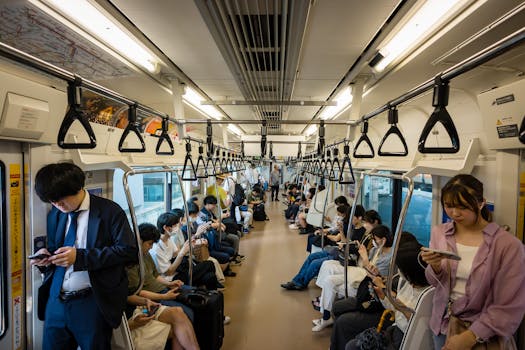
- In Tokyo, riders queue politely and avoid talking on phones. - In Berlin, you may need to press a button to open tram doors. - In Paris, beware of pickpockets, especially on crowded Metro lines. - In Singapore, eating and drinking are strictly prohibited on trains and buses, with fines up to SGD 500.Observing locals and following posted signs will help you blend in and avoid common pitfalls.
Staying Safe and Secure on Public Transportation
While public transportation is generally safe, certain precautions can help you avoid problems. Petty theft is the most common issue, particularly in tourist-heavy cities like Barcelona, Rome, and Prague. Always keep bags zipped and valuables close to your body. In 2019, Paris reported over 70,000 pickpocket incidents on public transit.Be alert to your surroundings, especially during rush hour or late at night. Sit near the driver on buses if you’re traveling alone or in unfamiliar neighborhoods. Some cities, such as Mexico City, offer women-only cars during peak hours for added safety.
In case of emergency, most systems have help buttons, intercoms, or staff on duty. Know the emergency number for the country you’re visiting (for example, 112 works across the EU), and carry a card with your hotel address in the local language in case you get lost.
Maximizing Your Public Transit Experience: Tips and Tricks
To make the most of public transportation abroad, consider these practical tips: 1. $1 Avoid rush hours (typically 7:30-9:30 am and 5-7 pm) to dodge crowds and ensure a more comfortable ride. 2. $1 Many cities integrate buses, subways, and trams on one ticket, letting you transfer easily. For example, Hong Kong’s Octopus card works on trains, buses, ferries, and even convenience stores. 3. $1 Most modern systems offer elevator access and priority seating. Cities like Stockholm and Singapore are known for their accessible networks. 4. $1 Students, seniors, and children often qualify for reduced fares. For example, Vienna offers half-price transit for under-15s. 5. $1 Lost something? Most major transit systems have a lost property office—keep your ticket or card, as you may need it to claim lost items.Finally, don’t be afraid to ask for help. Station staff are accustomed to assisting tourists and can provide directions or advice in multiple languages.
Smart Navigation: Embracing Technology for Seamless Travel
Technology has revolutionized how travelers use public transit. GPS-enabled apps show real-time arrival times, service alerts, and even suggest alternative routes during disruptions. Apple Maps, Google Maps, and local apps like Berlin’s BVG or Madrid’s EMT make route planning effortless.Some cities also feature digital signboards showing train or bus wait times. In Seoul, platform screens display countdowns to the next train, with accuracy within seconds. In London, TfL’s open data API powers dozens of third-party apps, keeping commuters updated on delays.
Mobile payment options are expanding rapidly: in Beijing, 90% of residents now use WeChat Pay or Alipay to access subways and buses. If your home bank supports contactless payments, you may be able to tap in directly—no ticket needed.
For non-English speakers, smartphone translation tools can scan and translate signs or station maps instantly, breaking down language barriers and boosting confidence.