Traveling offers a world of inspiration for photographers, from the vibrant chaos of local markets to tranquil landscapes and hidden architectural gems. Yet, finding the truly unique or breathtaking spots for photography can be a challenge, especially in unfamiliar locations where popular tourist attractions often overshadow lesser-known wonders. Whether you're an amateur with a smartphone or a seasoned photographer with a camera bag in tow, knowing how to seek out the best places for photography while traveling can elevate your images from ordinary to extraordinary. In this guide, we’ll reveal strategies, tools, and insider tips to help you discover, plan, and capture amazing photographic opportunities wherever your wanderlust takes you.
Leveraging Technology: Digital Tools and Apps for Spotting Photo Worthy Locations
In the digital age, a wealth of information is available at your fingertips. Smartphones and online platforms have revolutionized how travelers explore photography spots. Here are some of the most effective technologies and apps that can help you uncover stunning locations:
1. $1: Beyond navigating from point A to B, Google Maps allows you to virtually explore streets, parks, and public spaces using Street View. By dropping the “pegman” onto different map points, you can preview locations and evaluate their photographic potential before your visit. 2. $1: Social media is a powerful tool for discovering visually appealing sites. Search location-specific hashtags (e.g., #KyotoPhotography) or geotags to see what and where others are shooting. Pinterest boards can also help you gather destination photo ideas and inspiration. 3. $1: Websites like Flickr, 500px, and Unsplash allow photographers to share geotagged images. These platforms often include metadata indicating the exact location, best time of day, and even camera settings, giving you valuable insights for your own shoot. 4. $1: Dedicated apps such as PhotoPills and The Photographer’s Ephemeris help you plan around natural light, golden hour, and celestial events. These tools are invaluable for outdoor and landscape photographers aiming for that perfect sunrise or sunset shot.By integrating these technologies into your travel planning, you can move beyond the guidebook’s well-trodden paths and discover fresh perspectives that others may overlook.
Connecting with Local Photographers and Communities
One of the best ways to find the most photogenic places—especially those not listed in tourist brochures—is by connecting with people who know the area best: the locals. Here’s how you can tap into local knowledge and photographic talent:
- $1: Many cities offer photo walks or guided photography tours. These are often led by local photographers who not only take you to the best spots but also share tips on composition, lighting, and cultural etiquette. - $1: Platforms like Reddit (r/travel or r/photography), Facebook groups, and Meetup.com host active communities where members share recommendations, meet up for group shoots, and offer advice on hidden gems. - $1: Pop into camera stores or photography galleries and strike up a conversation. Staff and artists are usually more than happy to point you toward scenic or offbeat locations. - $1: Enrolling in a short local photography workshop can yield both skill improvements and insider tips, as instructors often have their favorite secret spots.In 2023, a Skift Research report noted that nearly 72% of travelers sought out “authentic” experiences, which often align with places frequented by locals rather than tourists. By engaging with the local photography community, you not only find authentic scenes but also enrich your cultural understanding of the destination.
Timing It Right: When to Capture the Perfect Shot
Photographic opportunities aren’t just about $1 you go, but also $1 you go. The timing of your shoot can transform an ordinary scene into something magical. Here’s what to consider:
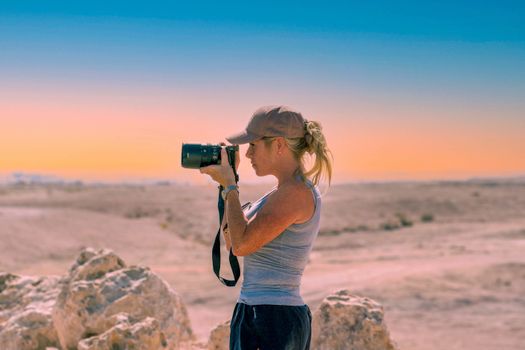
- $1: The hour after sunrise and before sunset (golden hour) provides soft, warm lighting ideal for landscapes and portraits. The blue hour (just before sunrise or after sunset) offers cool, diffused light and dramatic skies. - $1: Research local festivals or events that could add vibrancy and uniqueness to your images. For example, photographing Holi in India or cherry blossom season in Japan results in spectacular color and atmosphere. - $1: Check local weather forecasts and be flexible. Sometimes, fog, rain, or snow can create mood and drama impossible on a sunny day. - $1: Early mornings or late evenings generally see fewer tourists, allowing for unobstructed shots and a more intimate feel.According to a 2022 National Geographic survey, 68% of landscape photographers planned shoots around golden hour, and 59% used weather forecasts to anticipate dramatic skies. Thoughtful timing can make a significant difference in the quality and mood of your travel photography.
Exploring Beyond Tourist Hotspots: Hidden Gems and Offbeat Locations
While iconic landmarks have undeniable appeal, capturing unique images often means venturing beyond the obvious. Here are strategies for uncovering hidden gems:
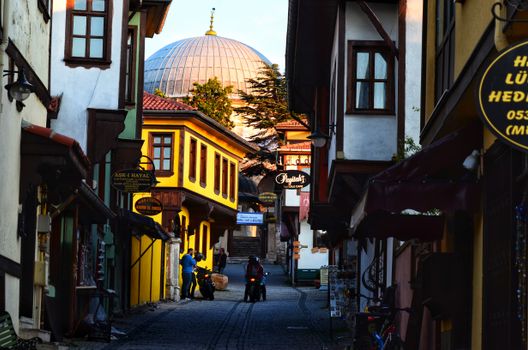
- $1: Ditching public transport and exploring on foot or by bike can lead you to unexpected discoveries—colorful alleyways, local markets, or hidden courtyards. - $1: Taxi drivers, hotel staff, and café owners often know of scenic places not listed in guidebooks. - $1: Neighborhood newspapers, city blogs, and tourism websites sometimes spotlight lesser-known attractions or upcoming events. - $1: Seek out places where the old meets new, urban meets nature, or tradition meets modernity. These contrasts can create visually striking images.A study by Booking.com found that in 2023, 54% of travelers prioritized “exploring less crowded places” to enhance their experiences and photography. Taking the road less traveled not only diversifies your portfolio but also provides a more authentic narrative of your journey.
Comparing Photography Location Research Methods
With so many ways to find great photography spots, it helps to compare the pros and cons of each. Below is a table summarizing some of the most popular research methods:
| Method | Pros | Cons | Best For |
|---|---|---|---|
| Social Media (Instagram, Pinterest) | Visual inspiration, trending spots, up-to-date | May lead to overcrowded or “overdone” locations | Popular and iconic shots |
| Photo Sharing Sites (Flickr, 500px) | Geotagged images, technical details, community ratings | Less coverage in remote areas | Nature and landscape photography |
| Local Photography Tours | Expert guidance, access to hidden spots | May cost extra, group pace | First-time visitors, learning local tips |
| Exploring On Foot | Spontaneous discoveries, unique angles | Time-consuming, less efficient | Urban and street photography |
| Online Forums/Communities | Personal experiences, up-to-date advice | Quality varies, may require registration | Hidden gems, local recommendations |
This overview can help you decide which methods fit your travel style, goals, and time constraints.
Building Your Personal Travel Photography Map
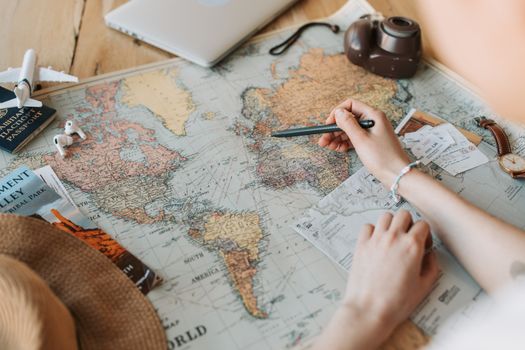
Once you’ve gathered ideas and tips, organizing them into a usable format is crucial for efficient exploration. Here’s how to build a personalized photography map for your trip:
1. $1: Use Google Maps’ “Your Places” feature or an app like Mapstr to pin potential photo spots along your route. 2. $1: Group pins by type—landscapes, architecture, culture, food, etc.—so you can plan based on your photographic interests. 3. $1: Include notes on best times to visit, potential crowd levels, local events, or weather considerations. 4. $1: Download your map for offline use, ensuring you can access your plan even without internet connectivity, which is especially useful in remote areas. 5. $1: Leave room for spontaneous detours and discoveries—sometimes the best shots are found where you least expect them.By planning and organizing your photo opportunities, you can maximize your creative potential without feeling overwhelmed or missing out on unique scenes.
Final Thoughts on Finding the Best Places for Photography While Traveling
Discovering the best places for photography while traveling is both a science and an art. By leveraging technology, connecting with locals, thoughtfully timing your shoots, and daring to explore beyond the guidebook, you’ll enrich your travel experience and capture images that stand out from the crowd. Remember, great travel photography isn’t just about the destination—it’s about the story you tell through your lens. Happy shooting on your next adventure!