Traveling introduces us to new landscapes, cultures, and, perhaps most excitingly, local cuisines. Yet, discovering those hidden gems — the authentic local restaurants favored by residents and off the tourist radar — can be challenging. With so many choices and so much at stake for your travel experience, knowing how to find the best local restaurants while traveling can turn a good trip into an unforgettable culinary adventure. Let’s dive into strategies, tools, and real-world tips to make your next meal abroad (or even across the state) a true taste of the region.
The Power of Word of Mouth: Connecting with Locals
One of the most reliable ways to uncover the best local restaurants is by tapping into the collective knowledge of the people who live there. Locals have insights beyond what any guidebook or app can offer. According to a 2023 study by Travel + Leisure, 74% of travelers reported their best dining experiences came from local recommendations rather than online reviews.
How do you connect with locals? Start by engaging in small talk with your taxi driver, hotel concierge, or even the barista at a nearby café. Ask open-ended questions like, “Where do you eat with your friends?” or “What’s your favorite place for lunch?” Avoid simply asking for “the best restaurant,” as this might prompt a tourist-oriented answer. Instead, show genuine curiosity about their daily favorites.
Community events and local markets can also be goldmines for authentic recommendations. Strolling through a farmers’ market or joining a community festival not only immerses you in the local scene but offers direct access to vendors and residents who know the food landscape intimately.
Digital Tools and Apps: Navigating Reviews and Hidden Algorithms
In the digital age, a wealth of information is at your fingertips. Review platforms and apps can help, but they come with caveats. For instance, TripAdvisor and Google Maps each list millions of restaurants worldwide, but their ranking algorithms often prioritize tourist traffic and paid promotions.
A 2022 survey by the Pew Research Center found that 42% of travelers use Google Maps as their primary tool to find restaurants, while 33% turn to TripAdvisor or Yelp. However, seasoned travelers often dig deeper:
- Filter reviews by language to see what locals are saying in their native tongue. - Sort by “Newest” reviews to catch recent changes in quality or service. - Look at reviewer profiles; prioritize opinions from people who live in the city or region. - Use niche apps such as TheFork (popular in Europe), Zomato (well-regarded in Asia), or Eater for curated local guides.Social media platforms like Instagram and TikTok are increasingly influential. Search for location-based hashtags (#parisfood, #tokyoeats) or check out geotagged posts to spot trending spots and visually verify the food and ambiance before visiting.
Walking Off the Beaten Path: Why Location Matters
The location of a restaurant often hints at its authenticity. Establishments nestled near major tourist attractions cater to visitors and may compromise on quality or authenticity to accommodate high foot traffic. In contrast, restaurants located in residential neighborhoods, alleys, or slightly away from the action are more likely to serve the local community.
A study by Food & Wine Magazine in 2023 highlighted that 60% of award-winning local restaurants are located more than 1 kilometer away from major tourist landmarks. Walking a few extra blocks or exploring secondary streets can reward you with unforgettable meals at better prices.
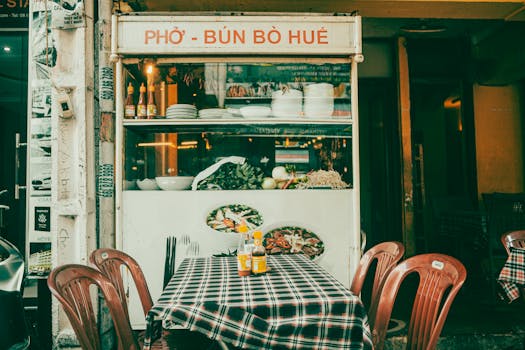
When in doubt, follow your senses. If you pass a bustling eatery filled with locals during peak meal hours, it’s a good sign. Observe the clientele: a mix of ages, loud conversations, and a menu in the local language often indicate a beloved neighborhood spot.
Timing Your Visits: When Locals Dine
Meal times differ significantly around the world, and understanding these patterns can help you find the best local restaurants while traveling. For example, Spaniards typically dine after 9 pm, while people in the U.S. might eat dinner as early as 6 pm. Arriving at local peak hours increases your chances of experiencing dishes at their freshest and most vibrant.
Here’s a comparative table of typical dinner times in popular travel destinations:
| Country | Typical Dinner Time | Best Time to Find Local Crowds |
|---|---|---|
| Spain | 9:00 pm – 11:00 pm | After 9:00 pm |
| Italy | 7:30 pm – 9:30 pm | 8:00 pm – 9:00 pm |
| Japan | 6:00 pm – 8:00 pm | 7:00 pm |
| United States | 6:00 pm – 8:00 pm | 6:30 pm – 7:30 pm |
| Brazil | 7:00 pm – 10:00 pm | 8:00 pm |
Not only does eating at local times help you blend in, but it also ensures you experience the best of what the kitchen has to offer — before popular dishes sell out or the kitchen winds down for the night.
Looking Beyond the Menu: Signs of a Great Local Restaurant
Finding the best local restaurants goes beyond flashy signage or lengthy menus. There are subtle indicators that can help you spot quality and authenticity:
1. $1: Restaurants with menus only in the native language and handwritten daily specials suggest a focus on local clientele and seasonal ingredients. 2. $1: A concise menu (8-15 items) often means fresher ingredients and specialties rather than trying to please everyone. 3. $1: Busy spots with a steady flow of diners indicate popularity and trust. 4. $1: Transparency in food preparation is often a sign of pride in quality and cleanliness. 5. $1: Look for mentions of regional products or partnerships with local farms. For example, a 2023 report by the National Restaurant Association found that 67% of diners prefer restaurants highlighting local sourcing.If you’re unsure, order what everyone else is having. Notice what’s on the tables around you and ask the server for the house specialty. Be adventurous — some of your best meals may come from dishes you’ve never heard of before.
Food Tours and Cooking Classes: Immersive Ways to Discover Hidden Gems
Guided food tours and cooking classes are dynamic ways to learn about local culinary traditions and discover outstanding restaurants you might otherwise miss. While these experiences often come at a cost, the value lies in curated selections and insider access.
- Food tours usually include stops at multiple eateries, markets, and street food stalls, with a local guide sharing context and stories. According to Viator, in 2023, bookings for food tours increased by 28% globally, with 74% of participants rating the experience as a highlight of their trip. - Cooking classes often start with a market tour, providing a chance to see where chefs source their ingredients and which vendors are trusted by locals.Many tour companies now focus on sustainable and small-batch restaurants, helping you support community businesses while enjoying authentic flavors. Check platforms like EatWith, Culinary Backstreets, or Airbnb Experiences for reputable options.
Final Thoughts: Curiosity is Your Best Travel Companion
Finding the best local restaurants while traveling is as much about attitude as it is about strategy. By approaching each destination with curiosity, openness, and a willingness to step outside your comfort zone, you unlock the true flavors of a place. Combine local recommendations, smart use of digital tools, and a keen sense of observation, and you’ll dine like a seasoned traveler, not a tourist. Remember: The journey to a memorable meal often starts with a simple question or a glance down a side street — be bold, and savor every bite.